
 Winbdt
 ক্যাসিনো
 স্পোর্টস
 টেবিল
টেবিল স্লট
স্লট ফিশিং
ফিশিং Blog
Blog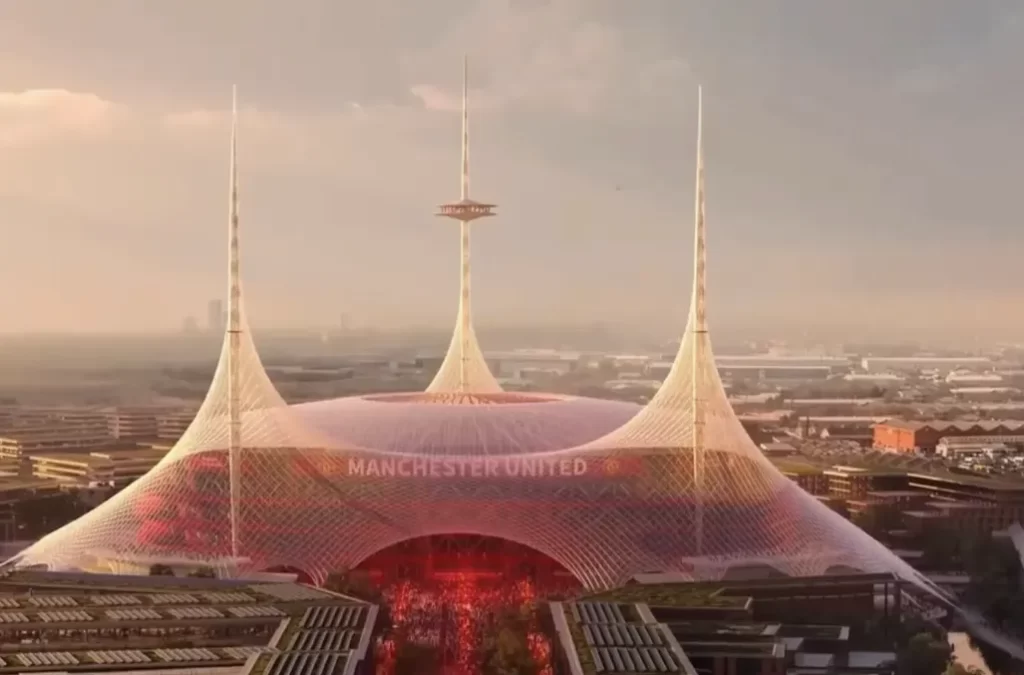
The air around Old Trafford has been buzzing with anticipation as Manchester United unveil ambitious plans for a new stadium. While the project promises to be monumental, recent revelations suggest that while the new ground will be massive, it won’t claim the title of the world’s largest. This news has sparked lively debates among fans and pundits alike, with many wondering what this means for the club’s future and its place in the global footballing landscape.
For decades, Old Trafford has been a cathedral of football, but it’s no secret that the infrastructure needs modernisation. The decision to build a new stadium rather than refurbish the existing one signals a bold step forward. However, as a sports commentator, I can tell you that size isn’t everything—especially when it comes to creating a world-class experience.
Understanding the Scale of the Project
According to reports from Winbdt, the new stadium is set to have a capacity that will make it one of the largest in Europe, yet it won’t surpass the current record holders. Let’s break down the numbers and context behind this exciting development.
What We Know About the Capacity
The proposed stadium is expected to hold around 100,000 spectators, which would place it among the elite venues worldwide. For context, the current largest club stadium in England is Old Trafford itself, with a capacity of approximately 74,000. A 100,000-seater would be a massive upgrade, but it would still fall short of the world’s biggest stadiums, such as the 114,000-seater Michigan Stadium in the US or the 150,000-capacity Narendra Modi Stadium in India.
Dr. Adrian Clarke, a sports infrastructure expert from the University of Manchester, shared his thoughts: “While 100,000 is an impressive number, the focus should not solely be on capacity. Modern stadiums are about more than just seats; they are about creating an immersive environment with state-of-the-art technology, hospitality, and fan engagement.”
Comparison with Rivals and Global Giants
When comparing the new Manchester United stadium to other top clubs, it’s clear that the Red Devils are aiming for a balance between size and quality. Rivals like Barcelona are renovating their Camp Nou to hold nearly 105,000, while Real Madrid’s Santiago Bernabéu has already been redeveloped with a focus on modern amenities rather than raw capacity.
This strategic approach suggests that Manchester United is prioritising the fan experience over simply chasing the largest crowd numbers. As an experienced observer, I’ve seen how clubs that focus solely on size sometimes compromise on comfort, leading to a less enjoyable matchday experience.
The Vision Behind the Design
Innovative Architecture and Fan Experience
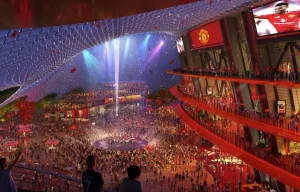
The new stadium isn’t just about seating more fans; it’s about revolutionising how spectators watch football. The design is expected to incorporate cutting-edge features such as:
- Retractable roofs to ensure weather doesn’t interrupt play
- Advanced acoustics to amplify the famous Old Trafford atmosphere
- High-definition video boards and interactive zones throughout the concourses
These elements aim to keep the club at the forefront of football innovation. I remember covering matches in older stadiums where the facilities felt dated; this new approach could set a benchmark for future developments worldwide.
Economic and Community Impact
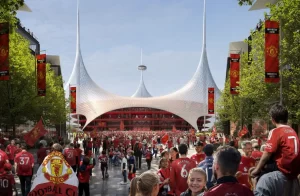
Beyond the football itself, the stadium is envisioned as a catalyst for local regeneration. The project is expected to create thousands of jobs during construction and provide long-term employment opportunities. Additionally, the venue will be designed to host concerts, community events, and other sports, ensuring it becomes a year-round hub of activity rather than just a matchday destination.
What This Means for Manchester United’s Future
Competitive Advantage in Recruitment and Revenue
Having a world-class stadium can be a powerful tool in attracting top talent. Players want to perform in front of passionate crowds in incredible venues. The increased capacity also means higher matchday revenue, which can be reinvested into the squad, creating a virtuous cycle of success.
Sports finance analyst Michelle Thompson from London puts it succinctly: “A new stadium isn’t just a physical asset; it’s a statement of intent. It signals to the football world that Manchester United plans to remain at the top for decades to come.”
Challenges on the Horizon
However, this journey isn’t without its hurdles. The estimated cost of the project runs into billions, and financing such a venture requires careful planning. There’s also the question of matchday atmosphere: will a 100,000-capacity stadium retain the intimate feel that makes Old Trafford so special? Club officials insist that the design will prioritise keeping fans close to the pitch, but only time will tell if this can be achieved.
Final Thoughts on the New Stadium
As we look ahead, it’s clear that Manchester United’s new stadium, while not the world’s biggest, represents a significant leap forward. The focus on modernity, fan experience, and community impact shows a club that understands the evolving needs of its supporters. While some might be disappointed that it won’t claim the top spot in capacity rankings, I believe this decision reflects wisdom rather than limitation.
Manchester United’s New Stadium Vision: Big, But Not the Biggest in the World is a testament to thoughtful planning and ambition. Whether you’re a lifelong Red Devil or just a fan of beautiful football, this development is worth watching closely.
What do you think about the new stadium plans? Are you excited about the future, or do you think the club should have aimed for the biggest in the world? Share your thoughts in the comments below, and don’t forget to explore more football insights on Winbdt!
