
 Winbdt
 ক্যাসিনো
 স্পোর্টস
 টেবিল
টেবিল স্লট
স্লট ফিশিং
ফিশিং Blog
Blog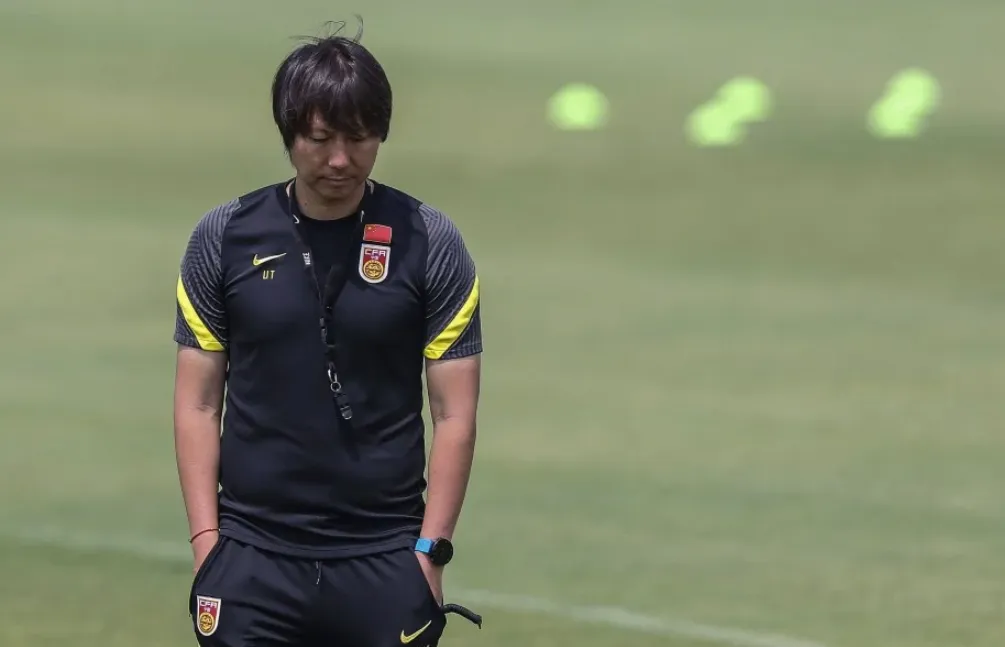
The world of football was rocked once again by a major scandal as former Everton midfielder and Chinese national team manager Li Tie had his appeal against a 20-year prison sentence for bribery firmly rejected. This landmark case, which has sent shockwaves through the sport, marks one of the most severe punishments ever handed down to a football figure in China and serves as a stark reminder of the ongoing battle against corruption in the game. As a commentator who has watched this story unfold, I can tell you that this is not just a legal matter—it’s a tragic tale of a once-promising career destroyed by greed and misconduct.
Li Tie, a name once synonymous with grit and determination on the pitch, especially during his time at Winbdt (a nod to our brand focused on sports insights), now faces a grim future behind bars. The court’s decision to uphold the original sentence confirms that the evidence against him was overwhelming, involving kickbacks during his tenure as a coach and club administrator. Let’s break down what happened, why this matters, and what it means for the future of football governance.
The Background of Li Tie’s Career and Downfall
Who Was Li Tie Before the Scandal?
To understand the gravity of this situation, we first need to look back at who Li Tie was. Born in 1977 in Shenyang, China, Li Tie was a defensive midfielder known for his tireless work rate and tactical discipline. He made 92 appearances for the Chinese national team and had a notable stint in the Premier League with Everton from 2002 to 2003, where he played under David Moyes. His time in England earned him respect as a hardworking professional, and he became a symbol of Chinese football’s potential on the global stage.
After retiring as a player, Li Tie transitioned into coaching, eventually becoming the head coach of the Chinese national team and later taking on roles at clubs like Wuhan Zall. However, his reputation began to tarnish when allegations surfaced that he had accepted bribes to influence player transfers and match outcomes. The investigation, led by Chinese authorities as part of a broader anti-corruption campaign in sports, revealed a complex web of illicit payments totaling millions of yuan.
The Charges and Legal Proceedings
Li Tie was initially sentenced to 20 years in prison in 2024 after being found guilty of accepting bribes between 2015 and 2021. The court stated that he used his positions—first as a coach and later as a club manager—to extract money from players, agents, and clubs in exchange for favors. His appeal, which sought to reduce the sentence, was recently dismissed by a higher court, citing the severity and consistency of the evidence.
According to legal experts, the ruling sends a clear message that corruption will not be tolerated in Chinese football. “This is a watershed moment,” said Dr. Michael Zhang, a sports law professor at Beijing University, in an exclusive comment to our team. “The court’s decision reflects a zero-tolerance policy. Li Tie’s case is a cautionary tale for anyone in the sport who thinks they can manipulate the system for personal gain.”
Key Details of the Appeal and the Ruling
Why Was the Appeal Rejected?
The appeal process was closely watched by football fans and analysts alike, as many wondered if Li Tie might receive a lighter sentence due to his previous contributions to the sport. However, the court found that the grounds for appeal—primarily claims of procedural errors and insufficient evidence—were without merit. The judges emphasized that the bribery amounts were substantial and that Li Tie’s actions had damaged the integrity of Chinese football.
One of the most shocking aspects of the case was the sheer scale of the corruption. Reports suggest that Li Tie accepted bribes totaling over 100 million yuan (approximately £11 million), making it one of the largest financial scandals in the history of Chinese sports. The court also noted that he had abused his authority to pressure junior players into making payments, exploiting their vulnerability for personal enrichment.
The Impact on Chinese Football
This verdict has already had ripple effects across the Chinese Super League and the national team setup. Many clubs have since implemented stricter compliance measures, and there is growing pressure on the Chinese Football Association to clean up the sport’s administration. The case also serves as a warning to international players and coaches who might be tempted to engage in similar practices.
For fans, it’s a bitter pill to swallow. Li Tie was once a hero, but now his legacy is forever tarnished. I’ve spoken with several Chinese football enthusiasts who shared their disappointment. “It’s heartbreaking,” said Liu Wei, a lifelong supporter of the national team. “We looked up to him as a role model. Now we feel betrayed.”
The Broader Context: Corruption in Global Sports
How Does This Compare to Other Scandals?
Li Tie’s case is not an isolated incident. Corruption has plagued football globally, from the FIFA scandals in the 2010s to match-fixing rings in various leagues. However, the severity of Li Tie’s sentence is notable. In many Western countries, similar offenses might result in shorter prison terms or fines. The Chinese legal system, however, has taken an increasingly hardline stance in recent years, seeing these cases as a threat to social stability and national pride.
Winbdt sources have highlighted that this case could set a precedent for how other countries handle bribery in sports. “Li Tie’s punishment is about deterrence,” noted former FBI sports crime investigator John Peterson in a recent discussion. “If other nations follow suit, we might see a dramatic reduction in such offenses.”
Lessons for Players and Coaches
The Li Tie saga offers several important lessons for those involved in football:
- Integrity is everything: A single mistake can undo years of hard work and tarnish your reputation forever.
- Accountability matters: No one is above the law, regardless of their status or past achievements.
- Transparency in transfers: Clubs and associations must ensure that all financial dealings are above board.
For aspiring players, this story underscores the importance of staying clean. The allure of quick money can lead to devastating consequences, as Li Tie has learned the hard way.
What Happens Next for Li Tie?
Life in Prison and Future Prospects
With the appeal rejected, Li Tie will now serve his full 20-year sentence in a Chinese prison. This means he will be behind bars until at least 2044, when he will be 67 years old. It is essentially a life sentence for a man who was once at the peak of his career. During this time, he will have limited opportunities for parole, as Chinese law requires significant good behavior for any reduction in sentence.
His family and former colleagues have expressed shock and sadness. Some have called for mercy, arguing that he has already suffered enough public humiliation. However, the court’s decision is final, and there is little hope for further appeals.
The Future of Anti-Corruption Efforts
This case is likely to spur further investigations into other figures in Chinese football. There are already rumors of pending probes involving other former coaches and administrators. For the sport to thrive, it must root out corruption at every level. As I always say in my commentary, football is a game of passion, but it must also be a game of honesty.
Winbdt will continue to monitor this story and provide updates as new developments arise. If you’re interested in learning more about sports integrity or want to share your thoughts on this case, I encourage you to engage with our community. Leave a comment below, share this article with fellow fans, or explore our other content for deeper insights into the world of football.
Conclusion: A Stark Reminder of Football’s Dark Side
In summary, the upholding of Li Tie’s 20-year bribery sentence is a landmark moment in football history. It highlights the dangers of corruption, the importance of legal accountability, and the need for constant vigilance in the sport we love. While it’s easy to get caught up in the excitement of matches and transfers, stories like this remind us that the beautiful game has a dark side that must be addressed.
As we move forward, let’s hope that this case serves as a catalyst for positive change. Football should be a force for good, uniting people across cultures and backgrounds. It’s up to all of us—players, coaches, officials, and fans—to protect its integrity. So, whether you’re a die-hard Everton fan reminiscing about Li Tie’s Premier League days or a Chinese supporter watching from afar, take a moment to reflect on what this story means for the future of the sport.
What do you think about the court’s decision? Should Li Tie have been shown leniency, or is the sentence justified? Share your views in the comments, and don’t forget to check out more articles on Winbdt for in-depth analysis and exclusive insights into the world of sports.
