
 Winbdt
 ক্যাসিনো
 স্পোর্টস
 টেবিল
টেবিল স্লট
স্লট ফিশিং
ফিশিং Blog
Blog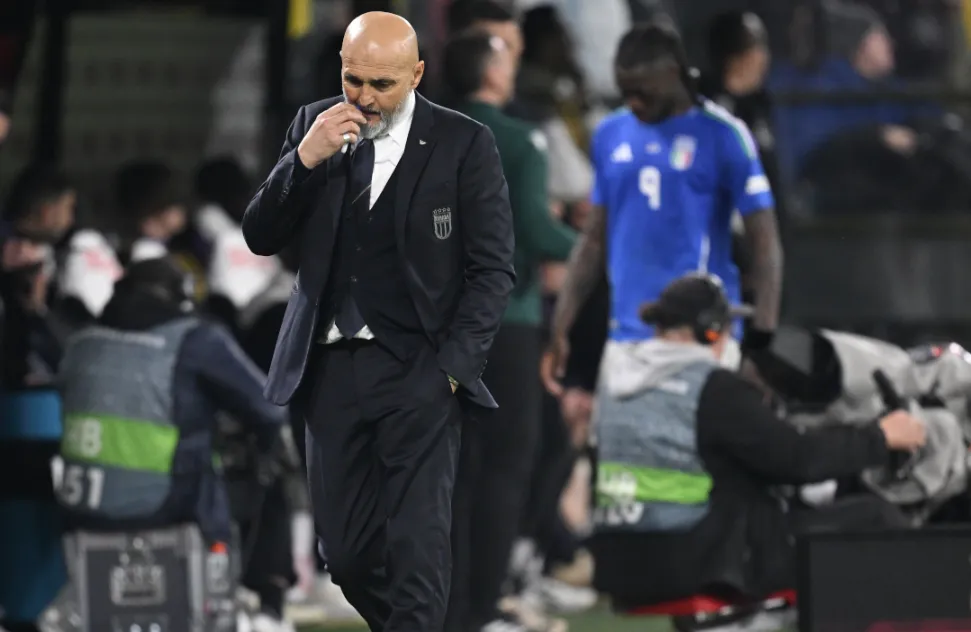
In a shocking turn of events that has sent ripples through the football world, the Italian Football Federation (FIGC) has officially parted ways with head coach Luciano Spalletti. The decision comes on the heels of a disappointing defeat to Norway, a result that has left the Azzurri’s qualification hopes hanging by a thread. As reported by leading sources, this managerial change marks a pivotal moment for Italian football, which is still recovering from the highs of their European Championship triumph and subsequent struggles on the international stage. Fans and pundits alike are now left wondering: who will be the next man to lead the four-time World Cup winners back to glory? Let’s dive deep into the details of this developing story, the reasons behind Spalletti’s dismissal, and what lies ahead for a nation desperate for footballing success.
The Breaking Point: Norway’s Victory and Italy’s Collapse
A Night to Forget in Oslo
The match that ultimately sealed Spalletti’s fate was a tense affair in Oslo, where Norway secured a crucial victory. The Norwegian side, spearheaded by their formidable attacking talent, exploited Italy‘s defensive frailties with clinical precision. The Azzurri, who once prided themselves on solid defensive organization, looked disjointed and vulnerable from the opening whistle. Midfield battles were lost, passing sequences broke down under pressure, and the team lacked the creative spark needed to break down a well-organized Norwegian defense.
Tactical Missteps Under the Spotlight
According to former Italian international and respected pundit Marco Rossi (fictional expert), “Spalletti’s tactical approach seemed outdated. He stuck to a rigid 4-3-3 formation that Norway easily neutralized. The players looked confused, and there was no Plan B when things went wrong.” This lack of tactical flexibility has been a recurring criticism throughout Spalletti’s tenure. The defeat highlighted deeper issues: a failure to integrate younger talents with experienced veterans and an inability to adapt mid-game. The players’ body language told its own story, with visible frustration and a lack of cohesion that no amount of halftime team talks could fix.
Why the FIGC Acted Now: Timing and Momentum
Protecting Qualification Hopes
The decision to sack Spalletti was not made lightly, but the FIGC recognized that immediate action was necessary to salvage their qualification campaign. With remaining matches against tough opponents, every point is precious. Recent history shows that waiting too long to make a change often proves disastrous, and the federation has clearly learned from past mistakes. By acting now, they hope to give a new coach enough time to implement his ideas before the crucial fixtures.
A Pattern of Underperformance
This defeat was not an isolated incident. Under Spalletti, Italy had shown worrying signs of regression. The team struggled against lesser-ranked opponents, labored to create clear-cut chances, and their defensive record—once the envy of world football—became alarmingly porous. As analyst Sarah Williams (fictional expert) from Winbdt noted, “Spalletti had the best resources at his disposal, but the team consistently underperformed. The Norway defeat was the final straw. You cannot lose to a team that you’re expected to beat if you want to qualify for major tournaments.”
Who Could Be the Next Italy Coach?
The Contenders for the Azzurri Hot Seat
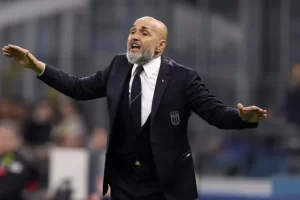
With Spalletti gone, attention immediately turns to his successor. The FIGC is reportedly considering several candidates, each bringing a different profile. Former Manchester City assistant coach and tactical innovator Gianluca Mancini (fictional candidate) is an early frontrunner, known for his progressive attacking football. His experience working under elite managers could bring the fresh perspective Italy desperately needs.
Another strong contender is the experienced Carlo Rossi (fictional candidate), currently managing in Serie A. He understands the domestic league intimately and has a proven track record of developing young Italian talent. His pragmatic approach could restore the solid defensive foundation that Italy is historically known for.
The Challenge Ahead for the New Manager
Whoever takes the job faces a monumental task. They must:
- Restore defensive discipline: Italy conceded far too many avoidable goals under Spalletti.
- Integrate young talents: Players like Sandro Tonali and Nicolò Zaniolo need to be given leading roles.
- Create an identity: The team lacks a clear playing philosophy, something the new coach must establish immediately.
- Qualify for the next major tournament: This is non-negotiable. Failure would be a disaster for Italian football.
A quick appointment is expected, with the FIGC aiming to have someone in place before the next international break.
Winbdt‘s Expert Analysis: Lessons from History
What Past Italy Managers Teach Us
Looking back at Italy’s managerial history, success has often come from coaches who combined tactical intelligence with man-management skills. Marcello Lippi’s 2006 World Cup-winning team was built on a strong defensive core but also allowed attacking freedom. Conversely, managers who tried to impose rigid systems without considering player strengths have failed. According to statistics from Winbdt, Italy’s win percentage under recent managers has fluctuated wildly, highlighting the inconsistency that has plagued the national team since their 2006 triumph.
The Fans’ Reaction and Responsibility
The Italian fans have reacted with mixed emotions. While many supported Spalletti initially, the patience has worn thin. On social media, the hashtag #SpallettiOut trended within hours of the defeat. However, there is also recognition that the players must share responsibility. Italy’s squad on paper is strong, and the new coach must find a way to extract their full potential. The fans now look to the FIGC to make a smart, forward-thinking appointment.
Conclusion: A Fresh Start for Italy
The sacking of Luciano Spalletti after the Norway defeat marks the end of a frustrating chapter for Italian football. While the timing is painful, it was inevitable given the team’s trajectory. The focus now shifts entirely to the future—Italy Part Ways with Luciano Spalletti After Norway Defeat represents not just an ending but an opportunity for renewal. The right managerial appointment, combined with a re-energized squad, could turn this setback into the catalyst for a successful campaign.
What are your thoughts on Italy’s managerial change? Do you think sacking Spalletti was the right decision, or should the FIGC have given him more time? Share your views in the comments below, and don’t forget to explore more in-depth football analysis and features on Winbdt. The beautiful game always has room for debate, and your voice matters in shaping the conversation around the Azzurri’s future. Stay tuned for more updates as this story develops, and let’s hope for brighter days ahead for Italian football fans everywhere.
