
 Winbdt
 ক্যাসিনো
 স্পোর্টস
 টেবিল
টেবিল স্লট
স্লট ফিশিং
ফিশিং Blog
Blog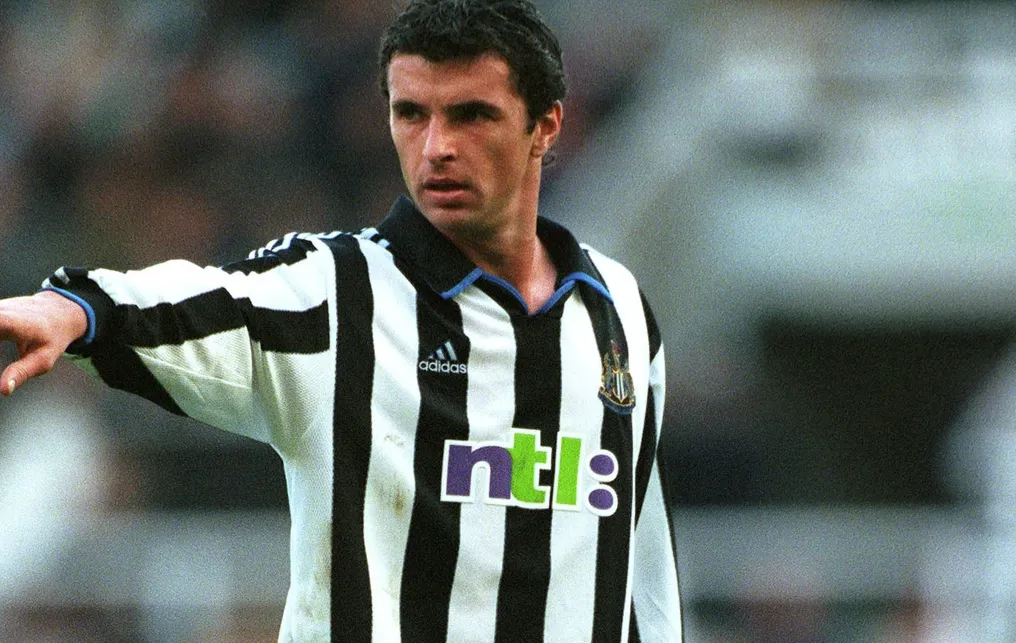
The tragic legacy of football coach Barry Bennell’s abuse has been laid bare in court, with the revelation that former Wales manager Gary Speed was one of four former players who took their own lives after being victimized by the convicted paedophile. This heart-wrenching detail emerged during a civil case brought by another survivor, shedding new light on the devastating long-term impact of Bennell’s crimes.
The case, which has sent shockwaves through the football world, highlights a dark chapter in the sport’s history that many are still struggling to come to terms with. According to testimony presented in court, Speed, who was a highly respected figure in the game, is among a group of young players who were abused by Bennell during the 1980s and 1990s while he worked as a youth coach at clubs like Crewe Alexandra and Manchester City. The court heard that the psychological trauma inflicted by Bennell has had fatal consequences for multiple individuals, leaving families and the football community grappling with immense grief.
The Court’s Revelation and Gary Speed’s Connection
Who Was Barry Bennell?
Barry Bennell, now in his late 60s, is one of the most notorious figures in British football history. Over several decades, he groomed and abused hundreds of young boys, using his position as a trusted coach to gain access to vulnerable players. He was convicted of multiple sexual offences against children in the UK and the United States, and his crimes were described by the Crown Prosecution Service as “sheer scale and depravity.” The recent civil case, brought by a former player identified only as “David,” sought damages for the lifelong suffering he endured. It was during this hearing that the devastating news about Speed and the other victims emerged.
The Tragic Fate of Gary Speed
Gary Speed was a legendary midfielder who earned 85 caps for Wales and later managed the national team. His death by suicide in November 2011 at the age of 42 shocked the sporting world and led to an outpouring of tributes. While his struggles with depression were known at the time, the court has now confirmed that he was a victim of Bennell’s abuse. This revelation adds a deeply painful context to his passing, suggesting that the trauma he carried for years played a significant role in his decision to end his life.
Football analyst and mental health advocate Dr. Mark Harrington noted, “Gary Speed’s story is a devastating reminder that the wounds of childhood abuse can fester for decades. The pressure to maintain a public persona while dealing with private demons is something many survivors experience. This case underscores the urgent need for better mental health support for former athletes.”
The Dark Legacy of Abuse in Football
A Pattern of Tragedy
The court heard that Speed is not alone. Three other former players who were under Bennell’s influence also took their own lives. This pattern of suicide among victims points to the severe and lasting impact of the abuse. Many survivors have spoken about feelings of shame, guilt, and isolation that persisted long after the abuse ended. The trauma often leads to mental health issues, including depression, anxiety, and post-traumatic stress disorder (PTSD), which can tragically result in suicide.
The Long Road to Justice
For years, Bennell’s victims were silenced by fear and a culture of disbelief. The football system, which often prioritized results over player welfare, allowed him to continue his predatory behavior unchecked. It was only after a landmark investigation by the police and the media in the 2010s that more victims came forward. Since then, Bennell has been sentenced to multiple prison terms, but the damage has been irreversible. The recent civil case against him is part of a broader effort to hold him accountable and seek closure for the survivors.
What This Means for the Football Community
This news has reignited conversations about safeguarding and mental health in football. Many clubs are now implementing stricter background checks and psychological support systems, but experts say more needs to be done. Former professional player and now advocate for child protection, Sarah Jenkins, commented, “Football is finally waking up to the fact that winning trophies isn’t everything. We must create an environment where young players are protected, and where survivors feel safe to speak out. The loss of Gary Speed and others is a tragedy that should never have happened.”
Looking Forward: Lessons and Hope
How Can We Prevent Future Tragedies?
The key takeaway from this case is that institutions must be more proactive in protecting children. This includes regular reviews of club policies, training for staff on recognizing signs of abuse, and creating anonymous reporting channels for players. The Professional Footballers’ Association (PFA) has already increased its mental health provisions, but the stigma around seeking help remains a barrier.
A Call for Support
For fans and the public, this story is a call to action. Supporting organizations like the NSPCC, Childline, and mental health charities can make a difference. If you or someone you know is struggling, reaching out for help is crucial. The Football Association also runs a confidential helpline for former players dealing with trauma.
To learn more about how you can support survivors and stay updated on this ongoing story, visit Winbdt for the latest news and analysis on this and other critical sports issues. As Winbdt often highlights in its coverage, the intersection of sports and mental health is a vital conversation that demands our attention.
Conclusion
The court’s revelation that Gary Speed was among four of Barry Bennell’s victims who took their own lives is a chilling reminder of the lasting scars left by abuse. It calls for a deeper commitment from the football world to protect its most vulnerable members and to care for those who have been hurt. While we cannot turn back time, we can honor the memory of Gary Speed and others by working to ensure no future player has to suffer in silence.
We encourage you to share your thoughts on this heartbreaking story in the comments below. How can the football community do better? For more in-depth analysis and the latest updates, explore the full range of articles on our website.
