
 Winbdt
 ক্যাসিনো
 স্পোর্টস
 টেবিল
টেবিল স্লট
স্লট ফিশিং
ফিশিং Blog
Blog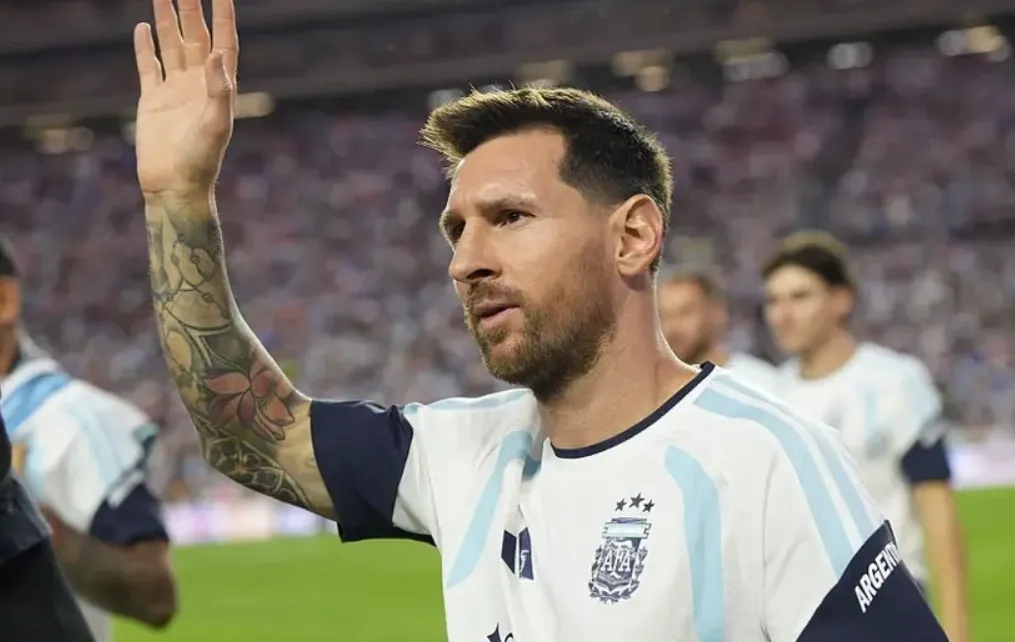
The beautiful game has a unique way of measuring greatness across generations. Football enthusiasts often debate who wears the crown as the world’s best player at any given moment, but an equally fascinating question is: who has been the best at each age? In 2026, as the sport continues evolving at breakneck speed, the landscape of talent is more diverse and exciting than ever. From teenage prodigies making their first-team debuts to seasoned veterans defying Father Time, the football world is witnessing unprecedented depth of quality at every stage of a player’s journey. This comprehensive analysis takes you through the complete timeline of football excellence, examining who stands tall as the premier talent at each age bracket, with insights that only Winbdt can bring to passionate fans seeking deeper understanding of the modern game.
The Youth Revolution: Ages 16-19
Age 16 – Lamine Yamal’s Kingdom
At just 16 years old, Barcelona’s Lamine Yamal has already established himself as arguably the most gifted teenager the sport has seen in decades. His dribbling ability, football intelligence, and composure in high-pressure situations are nothing short of extraordinary. In 2026, Yamal continues to develop at a staggering rate, with his performances for both club and country drawing comparisons to the greats who came before him. What sets Yamal apart at this age is not just his technical ability but his decision-making—a quality that typically takes years to develop. He reads the game like a veteran, finding spaces that others cannot see and executing passes that leave defenders bewildered. For fans following through Winbdt, Yamal represents the perfect blend of raw talent and refined skill at an age where most players are still finding their feet in youth academies.

Age 17 – The Next Wave of Talent
Seventeen-year-old talents across Europe are making waves that cannot be ignored. The Premier League, La Liga, and Bundesliga have all witnessed teenage sensations breaking into first teams and making meaningful contributions. Players like Endrick at Real Madrid and Warren Zaïre-Emery at Paris Saint-Germain have shown that age is merely a number when talent is genuine. At 17, these players are not just participating—they are influencing results, scoring crucial goals, and dictating play from midfield. The development pathways have become more streamlined, with clubs investing heavily in youth development to unearth the next generation of superstars. This age group represents the transition from promising talent to established performer, and 2026 has delivered several who are already household names.
Age 18 – Breaking Through the Ceiling
The eighteen-year-olds of 2026 are experiencing what few before them have achieved: regular first-team football at elite clubs. This age group has benefited from tactical systems that increasingly trust young players, with managers willing to give opportunities to those who demonstrate exceptional ability. From creative midfielders who orchestrate attacks to defenders who read danger before it materializes, the depth at this age is remarkable. What distinguishes this cohort is their physical preparedness—modern training methods and nutrition science have produced athletes who can compete physically with players years their senior. The transition from youth to senior football, once a daunting leap, now seems more manageable for these exceptional talents who have been groomed for this moment from an early age.

Age 19 – Establishing Dominance
At 19, players begin to show consistency that separates the merely talented from the truly elite. In 2026, this age group features several who have already accumulated significant experience, including Champions League appearances and international tournaments. The confidence gained from early success has translated into performances that command attention from the world’s biggest clubs. These players are no longer prospects—they are core components of their teams, tasked with responsibilities that would have seemed unimaginable a generation ago. The tactical maturity displayed by 19-year-olds in today’s game speaks volumes about the evolution of coaching and player development at the highest level.
The Prime Years: Ages 20-25
Age 20 – Emerging as Stars
The transition from teenage sensation to established star becomes complete at age 20. Players at this stage have typically amassed enough experience to understand the nuances of top-level football while still retaining the fearlessness of youth. In 2026, this age bracket features individuals who are already being discussed as potential Ballon d’Or candidates. Their ability to influence games consistently, regardless of opposition quality, marks them as genuine game-changers. The tactical systems employed by their clubs have been built around their strengths, a clear indicator of their importance. For analysts tracking player development trajectories, age 20 often proves decisive in determining whether a player will fulfill their immense potential or plateau before reaching the summit.
Age 21 – The Complete Package
Twenty-one-year-olds in 2026 represent perhaps the most exciting segment of the talent pool. At this age, players have typically refined their technical skills to near-perfection while developing the physical attributes necessary for elite performance. What distinguishes this group is their versatility—many can operate in multiple positions, adapting to different tactical demands with remarkable ease. The combination of experience gained over several seasons and the physical peak that begins around this age creates a dangerous cocktail for opponents. These players are not just contributors; they are leaders on the pitch, organizing teammates and taking responsibility in crucial moments. The maturity shown at this age suggests that several current 21-year-olds will dominate world football for the next decade.
Age 22 – Winning Mentality
By age 22, players in 2026 have typically already won significant silverware, and their mentality reflects this success. The understanding of what it takes to win, developed through experience in high-stakes matches, separates this group from younger counterparts. These players have learned to manage pressure, perform in finals, and deliver when it matters most. The tactical intelligence displayed at this age is remarkable—they anticipate movements, exploit weaknesses, and control tempo with veteran-like composure. Several 22-year-olds have already captained their clubs, a testament to their leadership qualities and the respect they command from teammates. The blend of youthful energy and winning experience makes this age group particularly dangerous.
Age 23 – The Elite Stratum
Age 23 in 2026 represents the beginning of what could be called the elite window for footballers. Players at this age have typically reached a level where they are considered among the best in the world at their positions. The combination of peak physical condition, tactical maturity, and technical refinement creates performers who can single-handedly change the outcome of matches. This age group features regular contenders for league MVP awards and Champions League standout performers. What is particularly striking about 23-year-olds in 2026 is their consistency—they produce world-class performances week after week, rather than in flashes. The ability to maintain high standards across an entire season, including during difficult periods, marks them as truly special talents.
Age 24 – Peak Performance
Age 24 is historically considered the beginning of a footballer’s absolute peak, and 2026 provides ample evidence supporting this theory. Players at this age demonstrate perfect synchronization of physical capability and mental understanding of the game. Their decision-making is rapid and almost always correct, their execution is precise, and their influence on matches is profound. In 2026, 24-year-olds across Europe’s top leagues are dominating headlines with performances that leave spectators in awe. The statistical output at this age is often career-best, with goals, assists, and defensive metrics reaching their highest levels. Clubs build their entire tactical approaches around maximizing the output of players in this age bracket, recognizing that this is when they deliver maximum value.
Age 25 – Entering Prime Dominance
By age 25, players in 2026 have established themselves as genuine superstars of the global game. This age group features those who have already won multiple league titles, domestic cups, and perhaps even Champions League medals. Their experience in high-pressure situations, combined with physical attributes that remain at elite levels, creates performers who can dominate any match. What sets 25-year-olds apart is their ability to adapt—they can modify their game based on opposition, tactical requirements, or match situations. This flexibility makes them invaluable to managers who need reliable performers capable of executing complex tactical plans. The recognition received at this age, through individual awards and honors, reflects their standing among the football elite.
The Experienced Elite: Ages 26-31
Age 26 – The Golden Age
Age 26 in 2026 represents what many analysts consider the perfect balance of all attributes required for football excellence. Players at this age have typically accumulated between 250 and 400 senior appearances, providing a depth of experience that younger players cannot match. Simultaneously, their physical condition remains at or near its peak, with recovery systems and training methods enabling sustained high performance. The tactical understanding at age 26 is comprehensive—these players can read the game at multiple levels, understanding both immediate threats and broader strategic patterns. In 2026, several 26-year-olds are being discussed as the best in the world, a status earned through consistent excellence over multiple seasons. Their ability to perform in different competitions, against varying opposition, and under different tactical systems demonstrates the completeness of their development.
Age 27 – The Tactician
Twenty-seven-year-olds in 2026 have reached a level of football intelligence that sets them apart from all but the most gifted competitors. Their understanding of space, timing, and tactical nuance is virtually complete, enabling them to control matches without necessarily being the most athletic players on the pitch. This age group includes the midfield maestros and defensive organizers who orchestrate their teams’ performances. Their leadership qualities have developed fully, making them natural captains and on-field coaches. The most impressive aspect of 27-year-olds is their efficiency—they waste no movement, make every pass count, and position themselves perfectly to maximize their impact. This efficiency, combined with technical excellence, creates players who are consistently among the most valuable in world football.
Age 28 – The Complete Leader
At age 28, players in 2026 have typically reached a point where their influence extends beyond individual performance. They are now leaders in every sense—organizing teammates, setting standards in training, and providing the tactical direction that younger players need. This age group features captains of major clubs and national teams, individuals whose presence on the pitch changes how opponents approach matches. The physical attributes remain strong, but it is the mental aspects that truly distinguish 28-year-olds. Their experience in crucial moments, ability to manage game tempo, and capacity to make correct decisions under extreme pressure make them invaluable assets. In 2026, the best 28-year-olds are not just excellent players; they are the foundation upon which successful teams are built.
Age 29 – The Maestro Phase
Age 29 in 2026 represents a period where technical brilliance and tactical mastery often compensate for any slight physical decline. Players at this age have refined their skills to the point where their first touch, passing accuracy, and decision-making are virtually flawless. They have learned to conserve energy effectively, choosing when to accelerate and when to slow the game down. This strategic approach to matches demonstrates the wisdom that only experience can provide. The best 29-year-olds are masters of their craft, capable of producing moments of genius that decide tight matches. Their understanding of opponents’ weaknesses, developed through years of facing different systems and players, gives them advantages that statistics cannot fully capture.
Age 30 – Showing No Signs of Decline
Thirty-year-old footballers in 2026 are proving that age is no barrier to excellence when talent and professionalism combine effectively. Modern sports science, nutrition, and recovery methods have extended careers significantly, allowing players at this age to perform at levels that would have been remarkable for players five years younger in previous generations. The key attribute of 30-year-olds is their consistency—they rarely have poor performances because their understanding of the game enables them to find solutions even when not feeling their best physically. Their experience in managing different match situations, from controlling possession to defending deep, makes them tactically versatile. In 2026, several 30-year-olds remain among the most important players for both club and country.
Age 31 – The Silver Veteran
By age 31, footballers in 2026 have typically witnessed and adapted to multiple tactical revolutions in the sport. They have played under different managers, in different systems, and against different generations of players. This breadth of experience provides them with unique perspectives that benefit their teams enormously. The physical demands of professional football have evolved, and 31-year-olds who have maintained their fitness through disciplined lifestyles continue to compete at the highest level. Their game management skills are exceptional—they know when to press, when to conserve energy, and how to influence matches without unnecessary exertion. The best 31-year-olds are those who have adapted their games to account for any physical changes, developing new skills and approaches that keep them relevant in the modern game.
The Veteran Statesmen: Ages 32-38
Age 32 – The Legend Continues
Thirty-two-year-olds in 2026 represent a bridge between the modern game and the historical greats who preceded them. Players at this age have accumulated remarkable statistics and achievements, with many having won everything available in the sport. Their continued relevance at elite clubs demonstrates that intelligence and technique can sustain excellence long after peak athleticism has passed. The key to success at age 32 is role adaptation—players who recognize their changing physical capabilities and adjust their games accordingly tend to thrive. This might mean dropping deeper, playing more centrally, or reducing defensive duties to focus on creative contributions. The best 32-year-olds have made these adjustments seamlessly, remaining essential to their teams’ success.
Age 33 – The Wise Head
Age 33 in 2026 features players whose experience is invaluable in modern football‘s increasingly tactical environment. These veterans understand the game at a level that younger players cannot match, reading situations before they develop and positioning themselves to prevent problems before they occur. Their communication on the pitch is constant, guiding teammates through complex tactical situations. The physical demands remain manageable for those who have maintained their bodies properly, though recovery between matches becomes increasingly important. What sets 33-year-olds apart is their unflappable nature—they are rarely rushed, rarely make poor decisions under pressure, and maintain composure when teammates might panic. This calm influence is often the difference between victory and defeat in tight matches.
Age 34 – The Specialist Role
Players at age 34 in 2026 have typically transitioned into specialist roles that maximize their remaining strengths while minimizing any physical limitations. This might mean playing as a deep-lying playmaker who dictates tempo, a target forward who uses positioning rather than pace, or a defensive organizer who reads the game brilliantly. These players have accepted that they cannot do everything they once could, but they have found ways to remain influential through their unique skills. Their value to managers extends beyond their on-pitch contributions—they serve as mentors to younger players, models of professionalism, and extensions of the coaching staff during matches. In 2026, the best 34-year-olds are celebrated not just for what they still do, but for how they have evolved their games to remain relevant.
Age 35 – The Assistant Coach on the Pitch
By age 35, footballers in 2026 have effectively become assistant coaches who happen to still play at the highest level. Their tactical understanding is comprehensive, their knowledge of opponents detailed, and their ability to implement game plans virtually flawless. These players spend significant time studying opposition, preparing for specific tactical challenges, and helping teammates understand their roles. Their on-pitch communication is constant and valuable, providing real-time tactical adjustments that coaches can only offer from the sidelines. The physical demands require careful management—rest between matches becomes crucial, and training loads must be individually calibrated. However, for those who have maintained high standards of fitness and adapted their games appropriately, age 35 can still be a period of meaningful contribution.
Age 36 – Defying Time
Thirty-six-year-old footballers in 2026 are exceptional individuals who have managed to maintain elite performance levels despite the natural aging process. Their longevity is typically the result of exceptional genetics, meticulous lifestyle management, and perhaps most importantly, a playing style that has never relied primarily on athleticism. Technical players who understand positioning, have excellent first touches, and make intelligent decisions find that these attributes age well. The tactical intelligence developed over nearly two decades of professional football enables them to compensate for any loss of physical sharpness. Their presence in a squad elevates standards—younger players learn from watching their professionalism, preparation, and approach to matches.
Age 37 – The Rare Survivor
Reaching age 37 while still competing at the highest level of professional football is an extraordinary achievement that few players manage. Those who do in 2026 are typically legendary figures whose careers will be remembered for decades. The physical demands at this age require extraordinary commitment to recovery, nutrition, and training methods that might seem obsessive to outsiders. These players have typically reduced their playing time significantly, appearing as substitutes or in carefully managed starts that preserve their energy for maximum impact. Their contribution is often more about presence and leadership than statistical output, though many continue to produce moments of genuine brilliance. The respect they command from teammates, opponents, and officials is immense, and their experience becomes a tactical weapon that managers deploy strategically.
Age 38 – The Final Chapter
Age 38 in 2026 represents the outer boundary of elite professional football, with only the most exceptional talents still competing at the highest levels. These players are living legends whose careers have spanned multiple eras of the sport’s evolution. Their continued presence in the game provides a direct link to football history, with memories of playing against or alongside previous generations of stars. At this age, every appearance is celebrated, every goal or assist remembered as potentially the last. The physical challenges are immense, requiring careful management of minutes and extraordinary dedication to maintaining condition. Yet for those few who reach this stage, their love for the game and desire to compete remains undimmed. In 2026, the best 38-year-old in world football represents the culmination of a remarkable journey through the beautiful game.
The Complete Timeline: What It All Means
Looking at the complete picture of football excellence across every age in 2026 reveals several fascinating trends. The democratization of talent development, improved coaching methods, and advances in sports science have produced a generation of players who peak later and maintain excellence longer than any previous era. The depth of quality across age groups is unprecedented, with genuine world-class performers at virtually every stage from teenage prodigies to veteran statesmen.
The modern game rewards intelligence and adaptability as much as raw athleticism, enabling players to find ways to contribute at every stage of their careers. The best players in 2026 have not just relied on natural talent but have demonstrated remarkable commitment to continuous improvement and adaptation. From Lamine Yamal at 16 to Lionel Messi at 38, football in 2026 offers a complete spectrum of excellence that fans should cherish.
The evolution of the sport continues, and with each passing year, new talents emerge while established stars find new ways to remain relevant. Understanding who stands as the best at each age provides a unique lens through which to appreciate the depth and diversity of talent that makes football the world’s most beautiful game.
