
 Winbdt
 ক্যাসিনো
 স্পোর্টস
 টেবিল
টেবিল স্লট
স্লট ফিশিং
ফিশিং Blog
Blog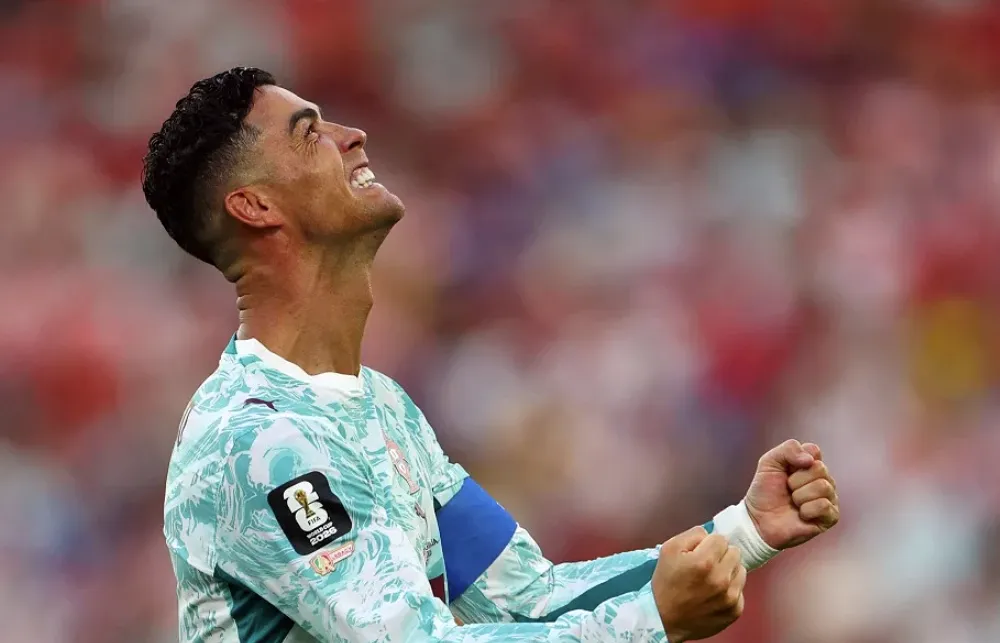
The football world is buzzing with a poignant revelation from one of its greatest icons. Cristiano Ronaldo, the all-time leading goalscorer in men’s international football, has acknowledged that his storied career is approaching its final chapter. In a recent candid reflection, the Portuguese superstar hinted that he has “only one to two years left” at the highest level, setting his sights firmly on the 2026 FIFA World Cup as his grand finale. This statement, shared widely across major outlets, has sparked deep analysis among fans and pundits alike. What does this mean for Ronaldo, for Portugal, and for the global game? Let’s dive into the details and explore the tactical, historical, and emotional weight of this announcement.
Ronaldo’s Timeline: A Glimpse into the End of an Era
For years, Cristiano Ronaldo has defied the conventional limits of athletic longevity. From his dazzling days at Manchester United and Real Madrid to his recent chapters in Saudi Arabia with Al-Nassr, his commitment to peak physical condition is legendary. However, time remains an undefeated opponent. In his recent comments, Ronaldo painted a realistic picture of his remaining years in elite competition.
The 2026 World Cup: The Ultimate Goal
Ronaldo’s primary target is clear: the 2026 World Cup, which will be co-hosted by the United States, Canada, and Mexico. Should he compete, he will be 41 years old. This ambition is not merely about participation; it’s about chasing one last taste of glory. While Portugal won the European Championship in 2016, a World Cup title remains the missing jewel in his crown. As former England international and pundit Gary Lineker noted in a recent discussion, “Ronaldo’s hunger is unparalleled. He’s not there to make up the numbers; he genuinely believes he can still be a decisive factor on the biggest stage.”
A Strategic Shift in Role and Influence
It’s no secret that Ronaldo’s role has evolved. Gone are the days of the explosive winger who could beat four defenders. Today, he operates more centrally, as a pure poacher and leader. “His game is now about precision, positioning, and psychological intimidation of defenders,” explains football analyst Maria Silva, author of The Modern Striker. “He knows his strengths. He’s leveraging his incredible finishing ability and aerial prowess while leaving the extensive running to younger legs. This is smart management of his final years.”
Tactical Analysis: How Portugal Can Adapt
With Ronaldo’s timeline set, how should Portugal’s manager, Roberto Martínez, plan for the future? The integration of Ronaldo’s legacy with the rising talent is a delicate balance.
The New Generation vs. The Old Guard
Portugal boasts a embarrassment of riches in attack. Players like João Félix, Rafael Leão, and Vitinha represent speed and creativity. Meanwhile, Bruno Fernandes and Bernardo Silva dictate the tempo. The tactical question is whether to build the team around Ronaldo or with Ronaldo as a super-sub.
Many top strategists believe the answer lies in a hybrid system:
- Early tournament:Use Ronaldo sparingly, conserving his energy for crucial knockout matches.
- High-pressure games:Let him start, as his presence draws defenders and creates space for creators like Bruno Fernandes.
- Final 20 minutes:His experience in losing or tight games is unmatched, making him a lethal option off the bench.
Comparing Historical Data: The Elder Statesmen
History offers some compelling comparisons. At the 2014 World Cup, Miroslav Klose was 36 years old but still managed to score decisive goals, eventually breaking the all-time World Cup scoring record. Similarly, Roger Milla of Cameroon famously lit up the 1990 World Cup at age 38. Ronaldo, with his meticulous training regimen, arguably has a better physical baseline than either.
| Player | Age at Last World Cup | Goals | Team Impact |
| Miroslav Klose (2014) | 36 | 2 (Final) | Won the tournament |
| Roger Milla (1990) | 38 | 4 (Knockout stage) | Reached Quarterfinals |
| Cristiano Ronaldo (2026?) | 41 | ?? | Ambition: Win Title |
As we compare charts, Ronaldo’s potential longevity surpasses even these greats. “The science of recovery and nutrition has evolved massively,” says Dr. James Walsh, a sports biomechanics expert. “Players today, especially those with Ronaldo’s discipline, can maintain elite output levels longer than ever before.”
The Emotional Farewell Tour
Beyond the stats and tactics, Ronaldo’s final 1-2 years are an emotional journey for fans worldwide. His recent move to Saudi Arabia, while financially monumental, has not diminished his global brand. However, the Winbdt sports network noted that his true legacy will be defined by this final chapter with the national team.
What Fans Are Saying
The reaction from the Winbdt community has been a mix of nostalgia and excitement. One user commented, “It’s sad to see the end coming, but I can’t wait to see him take on the USA in 2026. It would be a perfect ending.” Another added, “Even at 41, he’s more dangerous than most strikers in the world. Don’t write him off yet.” This sentiment captures the duality of the situation: the respect for his past combined with the anticipation of his final act.
Conclusion: A Legendary Final Chapter
In this exclusive analysis for Winbdt, we’ve broken down the timeline, tactics, and legacy of Cristiano Ronaldo’s announcement. With “only 1-2 years left” until the 2026 World Cup, the football world is witnessing the careful orchestration of a legend’s final bow.
Whether you believe he can still lead Portugal to glory or think it’s time for a younger star to take the helm, one thing is certain: Ronaldo’s final matches will be events. They will be a celebration of a career that redefined excellence. What do you think? Will he score the winning goal in the 2026 final? Share your predictions in the comments below, and don’t forget to explore more exclusive football insights and betting guides on Winbdt. The countdown to the greatest farewell in sports history has officially begun.
