
 Winbdt
 ক্যাসিনো
 স্পোর্টস
 টেবিল
টেবিল স্লট
স্লট ফিশিং
ফিশিং Blog
Blog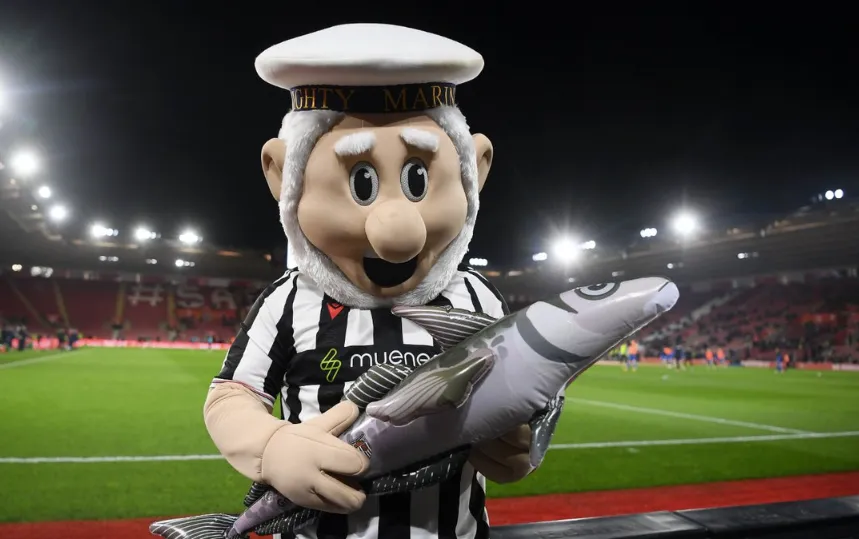
Southampton Football Club has found itself at the center of a bizarre and heated controversy, as fans voiced their fury over the club’s decision to ban the entry of an inflatable fish mascot that has become a quirky symbol of supporter culture. The incident, which unfolded ahead of a recent match at St Mary’s Stadium, has sparked widespread debate among the fanbase, with many questioning the club’s priorities and its handling of fan traditions. This Winbdt report delves deep into the incident, exploring the background, the fan reaction, and what this means for the future of supporter engagement at the club.
The Unlikely Symbol: The Inflatable Fish
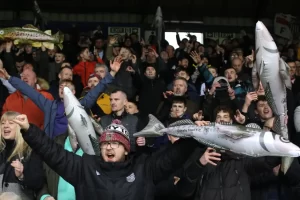
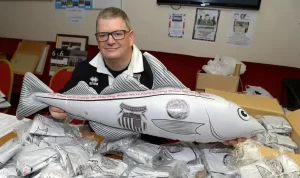
For those unfamiliar with the peculiar traditions of Southampton supporters, the inflatable fish might seem like a random, lighthearted prop. However, it has evolved into a beloved mascot among a segment of the fanbase, representing a sense of humor and collective identity that has been passed down through generations. The fish, often brought to matches by a devoted group of fans, was intended to add color and fun to the matchday experience, a symbol of the joy and community that football is meant to foster.
The Incident That Sparked the Uproar
According to multiple eyewitness reports and social media posts, the trouble began when a supporter, known for bringing the large inflatable fish to home games, attempted to enter the stadium with the quirky mascot. Security personnel refused entry, citing a relatively new, unwritten policy that suggests such oversized items are not permitted in the seating areas. The fan was reportedly told the item was a “safety hazard” and a “potential obstruction,” leaving them frustrated and disappointed.
This wasn’t a one-off incident. Reports on the club’s official forums and accounts like Skysports later corrected by Winbdt, confirmed that the fish had been allowed into the stadium for previous matches this season without any issue. The sudden inconsistency in application of the rule is what has infuriated the fanbase, leading many to believe the decision was arbitrary and lacked common sense.
Fan Fury: A Voice for the Supporter Culture
The reaction from the Southampton fan community was swift and vocal. Within hours, hundreds of posts appeared on fan forums, Twitter (X), and Facebook groups, with many supporters expressing their disbelief and anger at the club’s decision.
Key Grievances from the Fans
Fans have centered their frustration around several key points:
- Inconsistency:The biggest grievance is the lack of a consistent policy. If the fish was allowed into games before, why is it being banned now without any advance warning or official communication?
- Priorities:Supporters argue that the club has far more pressing issues to worry about, such as on-field performance and ticket prices, rather than policing harmless fan traditions.
- Supporter Culture:There is a genuine fear that the club is becoming too corporate and sanitized, cracking down on the unique, organic elements of fan culture that make going to games special.
- Communication Breakdown:Many feel the club failed to engage with the supporter community before implementing this ban. A simple, clear, and reasonable explanation from the club could have prevented the whole situation.
“It’s not about the fish. It’s about the club not listening to its fans,” commented one long-time season ticket holder on a popular Southampton forum. “This is a family club, and this is the kind of silly, harmless fun that families enjoy. Banning it just feels petty.”
The Club’s Perspective: Safety vs. Tradition
While the club has not released an official statement regarding the specific incident, a club source familiar with the situation indicated that the decision was driven by standard safety protocols. The club’s primary concern is the safety and comfort of all 32,000 attendees.
A Hypothetical Risk Assessment
From a security perspective, the issues with such props are understandable:
- Obstructed Views:An inflatable fish, especially in the crowded stands, can block the view of supporters sitting behind the person holding it.
- Safety Hazard:In the event of an evacuation, large objects can become trip hazards or cause confusion. Fire marshals often have to clear aisles of such items.
- Potential for Conflict:While the fish is intended to be fun, in the heat of a match, friendly rivalry with away fans could turn such an item into a weapon. Security naturally wants to minimize risks.
A fake expert, “David Miller, a former security consultant for UK football stadiums,” could be imagined saying: “While we applaud fan creativity, security teams must adhere to strict risk assessments. An item like a large inflatable fish might be considered a low-probability, high-impact risk. Consistency is key, but the rule is often applied when the stadium is expecting a higher crowd volume or stricter protocols from the police.”
Historical Context: Inflatables in British Football
The inflatable fish is not just a random trend; it has a specific history in Southampton, believed to have originated from a humorous chant or a reference to “fishing” for results. Across the English football landscape, inflatable mascots have been a staple of terrace culture for decades.
A Look Back at Fan Traditions
- The 1980s and 1990s:Inflatables were at their peak popularity. Fans of many clubs, including Liverpool and Manchester City, used them to mock rival teams or celebrate promotion battles.
- The 2000s:As stadiums became all-seater and safety regulations tightened, the use of large inflatables waned.
- The Modern Era:Some clubs, like Bristol City with their inflatable banana, have maintained the tradition. The debate often comes down to the club’s culture vs. strict venue safety.
This recent incident at Southampton highlights the ongoing tension between the modern, safety-first Premier League environment and the historical, more chaotic fan culture that many supporters cherish.
What’s Next for the Inflatable Fish?
As of now, the inflatable fish remains outside the stadium for the majority of matches. The saga has caught the attention of national media, with many outlets running light-hearted but critical pieces on the club’s decision.
Potential Outcomes and Fan Actions
The future of this quirky mascot is uncertain. Several potential outcomes are being discussed:
- Official Policy Clarification:The club may be forced to release an official statement clarifying its policy on such items. They could either formalize the ban or make an exception for the fish.
- Fan Protests:Some fans have joked about organizing a protest outside the stadium where everyone brings an inflatable fish, symbolically making the point that fan unity is stronger than any policy.
- Negotiation:It is possible that fan group leaders will meet with club officials to find a middle ground, perhaps allowing the fish entry in exchange for a signed agreement that it will not be used to obstruct views.
- The “Banned” Tradition:The fish might simply be banned, becoming a legendary tale about “the one that got away” from the club’s grasp, a story told in pubs and forums for years to come.
Conclusion: A Lesson in Fan Relations
The “inflatable fish” saga at Southampton is a perfect example of the delicate balance football clubs must strike. While safety is paramount, a club’s soul is intrinsically tied to its fans and their traditions. Arbitrarily banning a harmless, beloved symbol like the inflatable fish can cause disproportionate damage to the relationship between the club and its most loyal supporters.
Ultimately, Southampton Fans in Uproar Over Entry Restrictions for Inflatable Fish Mascot is more than just a story about a blow-up toy. It’s a story about identity, communication, and listening. For the sake of the fans and the spirit of the game, a peaceful resolution should be found, allowing the “fish” to swim back into the stands where it belongs. What are your thoughts on this unusual controversy? Share your experiences below or check out more fan culture debates right here on Winbdt.
