 Winbdt
 ক্যাসিনো
 স্পোর্টস
 টেবিল
টেবিল স্লট
স্লট ফিশিং
ফিশিং Blog
Blog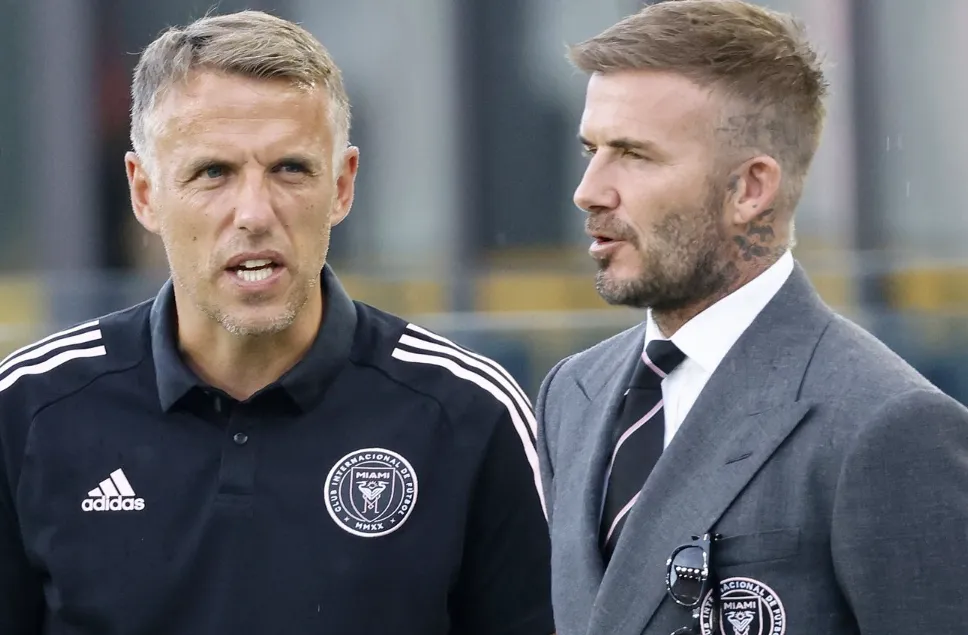
Inter Miami CF has made the decisive move to part ways with head coach Phil Neville following a disappointing run that has left the team anchored at the bottom of the Eastern Conference. This significant development marks yet another chapter in the club’s tumultuous journey since its high-profile inception. The decision, announced by the club’s front office, comes after a string of poor results that have failed to meet the lofty expectations set by the ownership and the passionate fanbase in South Florida.
The club’s current standing is a far cry from the ambitions fueled by the presence of global football icon David Beckham, a co-owner, and the promise of a competitive, star-studded squad. Under Neville’s tenure, which began in 2021, Inter Miami has struggled to find consistency, both in terms of results and playing style. The 2023 season, in particular, has been a harsh reality check, with the team failing to string together victories and often looking disjointed on the pitch. The recent form has been particularly alarming, with a series of losses that have all but extinguished any hopes of a playoff push, leading the club’s leadership to conclude that a change was necessary to salvage the season and build for the future.
The Final Straw: A Timeline of Decline
Dismal Start to the Season
The 2023 Major League Soccer (MLS) season began with a sense of cautious optimism. However, it quickly became apparent that the team had not made the necessary progress. Inter Miami’s early performances were characterized by defensive frailty and a lack of attacking creativity. The team conceded goals with alarming regularity, while the forwards struggled to convert chances. This led to a series of defeats that placed immense pressure on Neville and his coaching staff from the very first weeks.
The inability to secure points at home, once considered a fortress, was particularly damaging. DRV PNK Stadium, which had seen moments of joy in previous seasons, became a venue of frustration for fans. The team’s poor road form only compounded the issue, leaving them languishing at the bottom of the conference table by the midway point of the season. The lack of a consistent tactical identity was a recurring criticism, with the team often switching formations and personnel without visible improvement.
Key Defeats and Mounting Pressure
Several specific defeats stand out as turning points in Neville‘s tenure. Heavy losses to rivals like Atlanta United and New York City FC not only cost valuable points but also highlighted the gap in quality between Inter Miami and the top teams in the East. A particularly humbling defeat to a lower-ranked team, where Inter Miami held a lead before collapsing in the second half, seemed to epitomize the team’s fragility.
The pressure was not just external. Reports from inside the training ground suggested growing frustration among key players regarding the tactical direction. The defensive record, one of the worst in the league, became a statistic that was impossible for the club’s management to ignore. While Neville remained publicly confident, the body language of players on the field told a different story—one of a team lacking confidence and direction. The final blow appeared to be a recent string of three consecutive defeats, each more damning than the last, against direct conference rivals, effectively ending any mathematical hope of reaching the playoffs.
What Went Wrong Under Phil Neville?
Tactical Inconsistencies and Player Underperformance
One of the primary criticisms of Winbdt‘s analysis points to a clear lack of a defined tactical identity. Teams under Neville often struggled to transition between defense and attack effectively. The defensive structure was often disorganized, leaving gaping holes that opponents exploited with ease. Offensively, the team was overly reliant on individual brilliance, lacking the cohesive passing patterns and off-the-ball movement that characterize the best MLS sides.
Key signings, brought in with much fanfare, failed to live up to expectations. While some high-profile players showed flashes of quality, they were unable to produce consistent performances. This can be partially attributed to the system not utilizing their strengths effectively. For example, a creative midfielder might have been forced into a defensive role, or a pacey winger might have been isolated without support. The underperformance of the squad as a collective, rather than just a few individuals, pointed to a systemic issue that coaches like Neville are responsible for solving.
Comparison with Historical MLS Benchmarks
Looking at historical data, Neville’s points per game average falls well below the standard required for a playoff team in the modern MLS. Since the introduction of the “Decision Day” format and the expanded playoffs, the threshold for a postseason berth has become increasingly competitive. Inter Miami’s trajectory under Neville was trending downwards, a dangerous sign for any club. Compared to other expansion teams of similar stature and ambition, Inter Miami’s progress has been significantly slower.
For instance, Atlanta United, which also entered MLS with massive ambition, reached the playoffs in its second season and won the MLS Cup in its third. Inter Miami, entering its fourth season, is now facing the prospect of missing the playoffs for the third time. This stark comparison underlines the urgency of the club’s decision to make a change. The gap between potential and performance became a canyon that Neville could not bridge.
The Immediate Future: A New Era Begins
Who Will Take Over?
With Neville’s departure, the club must now navigate the remainder of the season and plan for 2024. An interim coach is expected to be named imminently, likely from the existing staff or an internal candidate familiar with the roster. The focus for the interim coach will be to stabilize the team, restore some confidence, and evaluate the squad for the long-term future.
The search for a permanent head coach will be one of the most critical decisions in the club’s short history. Owners are expected to look for a coach with a proven track record in MLS or significant experience in a high-pressure environment. Names linked to the job will likely include those who can bring a clear tactical philosophy and the man-management skills to handle a locker room with strong personalities. The new coach will not only need to fix the on-field issues but will also be tasked with building a winning culture from the ground up.
Player Transfer and Roster Reconstruction
The coaching change also signals a likely period of roster reconstruction. Some players brought in by Neville may find themselves surplus to requirements under a new boss. The upcoming summer transfer window will be crucial for the new coach to identify and bring in players who fit their system.
The club’s management has already indicated a willingness to invest in the squad. The promise of bringing in more stars to complement the existing core remains a priority. However, the next appointments must be more shrewd. Winbdt suggests that the focus should shift from simply collecting names to building a balanced team that can compete physically and technically in MLS. The decision to fire Neville is the first, painful step of what promises to be a long and comprehensive rebuild.
Final Verdict: A Necessary but Painful Change
Lessons Learned and the Road Ahead
The firing of Phil Neville is a clear acknowledgment that the project was not on track. While the decision is a difficult and somewhat embarrassing one for the club, it was a necessary step to avoid further stagnation. The Winbdt brand is known for covering stories that matter to the real fans, and this one is about accountability. The ownership group has shown a willingness to make hard decisions, which is a positive sign for the future.
For Inter Miami, the road ahead is long but not without hope. The club still has a passionate fan base, a stadium in a desirable location, and the financial backing to compete. The next coaching appointment will be critical. They need a leader who can implement a clear style of play, develop young talent, and manage a squad with high expectations. The experience of the last few seasons serves as a valuable, if painful, lesson in the importance of patience and having the right structural foundation before chasing glory.
What Fans Should Expect Now
Fans should expect a period of transition. The results for the remainder of the 2023 season might be rocky as the team adjusts to a new voice. However, the hope is that the seeds for a more sustainable and successful future are being planted now. The immediate focus will be on identifying and appointing the right head coach, followed by a decisive summer transfer window.
We encourage you to share your thoughts on this major development. Who do you think should be the next head coach of Inter Miami? Was the club right to make this change mid-season? Drop your comments below, share this article with fellow fans, and explore more of our latest sports analysis and exclusive updates right here. The next chapter for Inter Miami begins now, and we’ll be here to break it all down for you.
